















Studio 9 Blog page
Photographing Eurasian Harvest Mice in a Studio Environment
By Richard Adams – Studio 9 Photography
By Richard Adams – Studio 9 Photography
Photographing One of Britain’s Smallest Mammals
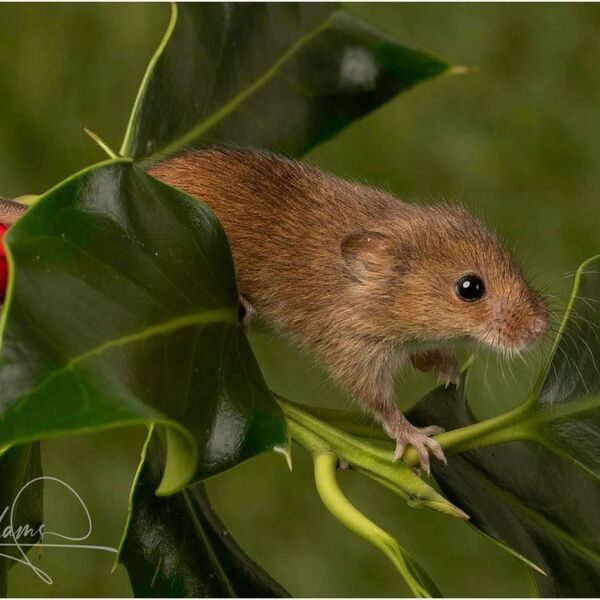
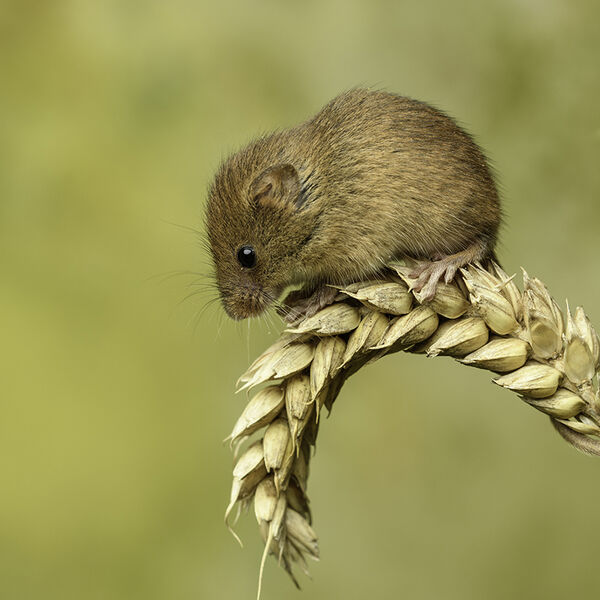
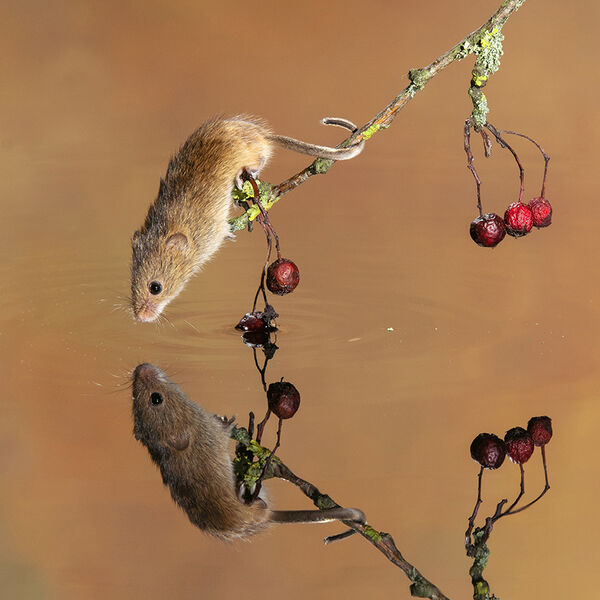
There’s something incredibly special about photographing Eurasian Harvest Mice. These tiny mammals are not only one of the smallest rodents in Europe, but they’re also one of the most charismatic subjects a wildlife photographer can work with.
Most people imagine wildlife photography happening out in the field — mud, camouflage, long lenses and hours of waiting. But some of my favourite images of harvest mice are created in a controlled studio environment, where lighting, composition and storytelling can really come together.
Over the years, I’ve developed a studio approach that allows photographers to capture these animals ethically, safely, and creatively while producing images that look natural and authentic.
_____________________________________________________
Why Photograph Harvest Mice in the Studio?
While photographing wildlife in the wild is always rewarding, working with harvest mice in a studio setting offers several advantages.
Firstly, control over lighting allows you to create beautifully sculpted images. Instead of relying on unpredictable natural light, you can shape the scene using soft directional lighting, rim lighting, or even dramatic shadows.
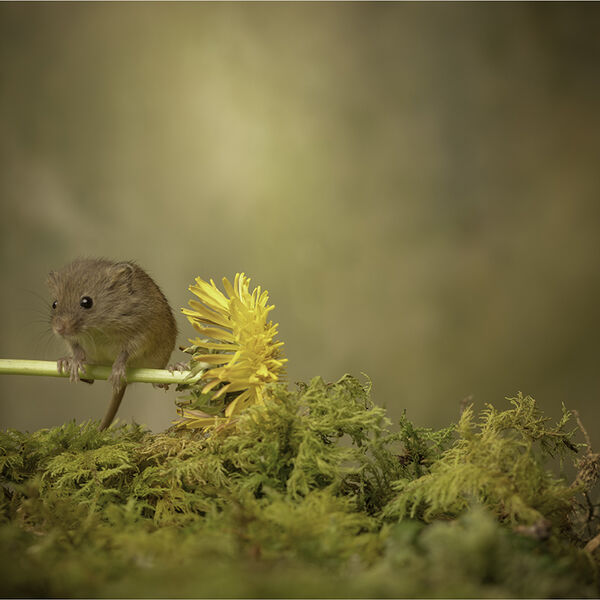
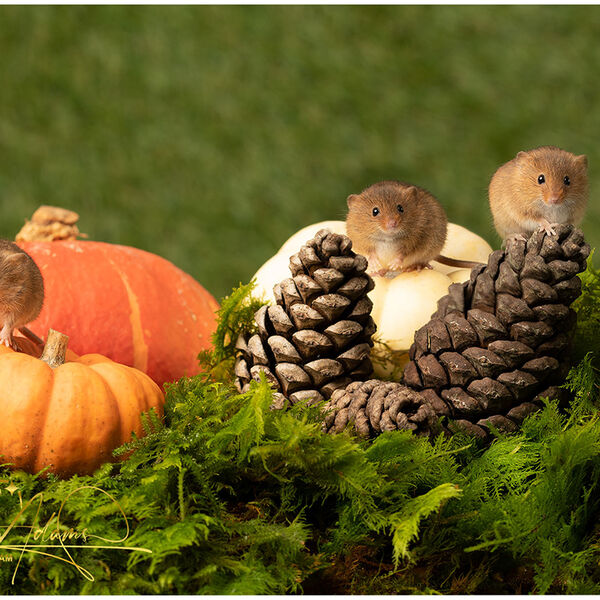
Secondly, it allows for carefully designed natural sets. Grasses, seed heads and natural textures can be arranged to mimic their real environment while still giving photographers clear angles to shoot from.
Finally, a studio environment gives photographers the chance to slow down and focus on composition. You can experiment with macro lenses, depth of field and storytelling without worrying about weather or fading light.
For many photographers, this becomes an ideal introduction to small mammal photography.
_____________________________________________________
Understanding the Behaviour of Harvest Mice
One of the keys to photographing harvest mice successfully is understanding their behaviour.
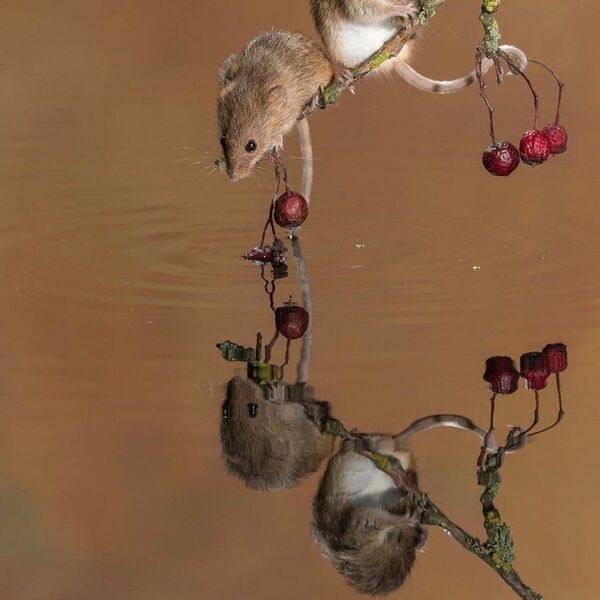
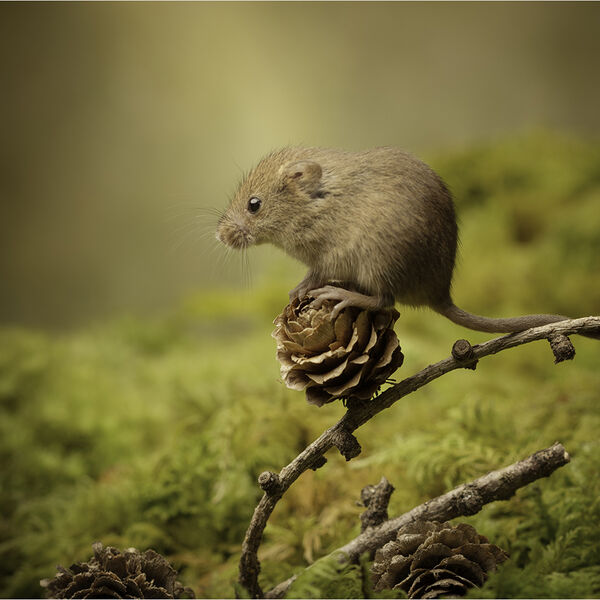
Harvest mice are incredibly active and curious animals. They naturally climb grasses and stems using their prehensile tail, which helps them balance and grip as they move.
This behaviour is exactly what makes them such engaging photographic subjects.
Rather than trying to pose them, the goal is to create an environment where natural behaviour happens organically. When provided with grasses, seed heads and climbing structures, harvest mice will naturally explore and move around — creating endless photographic opportunities.
Patience is essential, but the results are always worth it.
_____________________________________________________
Building a Natural Studio Set
A good harvest mouse photograph starts long before the camera is picked up.
The studio set plays a huge role in creating believable wildlife imagery. I tend to build small natural scenes using:
• Dried grasses
• Wheat stems
• Natural seed heads
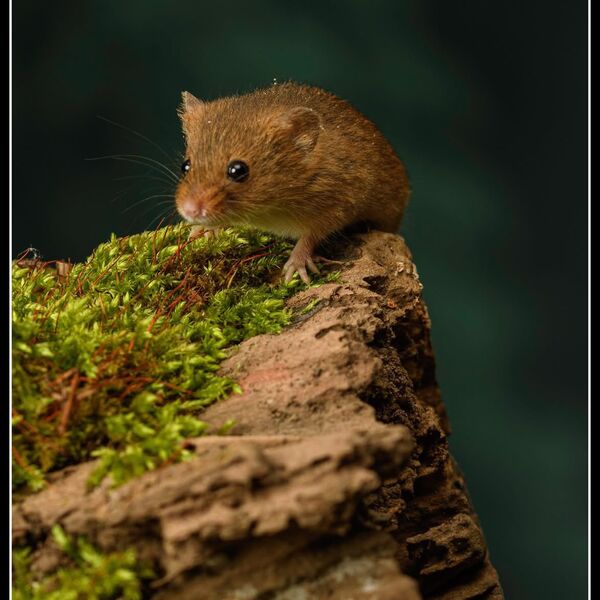
• Moss and textured ground cover
The aim is always to replicate a miniature wild habitat, giving the mouse something natural to interact with while creating interesting shapes and leading lines for the photograph.
Simple is often best. Too many elements can distract from the subject.
_____________________________________________________
Lighting the Scene
Lighting is where the studio environment really shines.
For most harvest mouse setups I use soft directional light to mimic early morning or late evening sunlight. A gentle key light creates detail and texture, while a subtle backlight can help separate the mouse from the background.
Because harvest mice are so small, even tiny adjustments in lighting can completely transform the image.
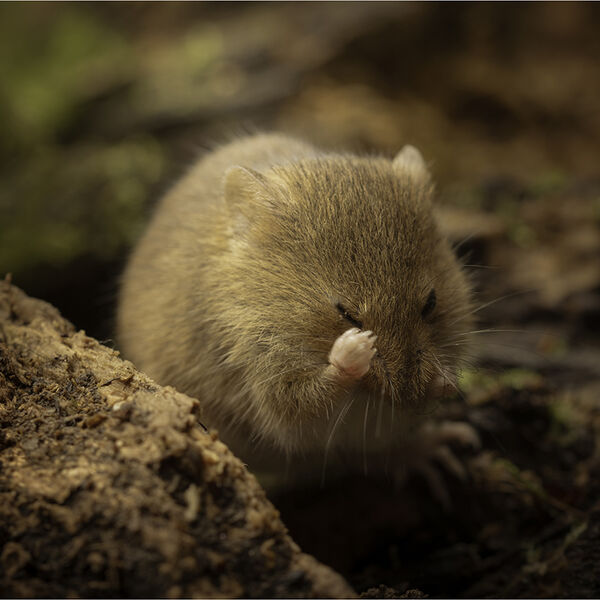
Soft light helps reveal the beautiful details in their fur, whiskers and tiny paws — details that make these animals so fascinating to photograph.
_____________________________________________________
Camera Settings and Lenses
When photographing harvest mice, macro or short telephoto lenses work best.
A typical setup might include:
• A 90mm–105mm macro lens
• Aperture around f/8 – f/11
• Fast flash duration to freeze movement
Harvest mice move quickly, so having lighting that can freeze motion is incredibly helpful.
Depth of field is also important. Too shallow and you risk losing key details, too deep and the image loses its soft, natural feel.
_____________________________________________________
Ethics and Animal Welfare
Whenever animals are involved in photography, welfare must come first.
Responsible sessions ensure the mice are comfortable, handled by experienced keepers, and never stressed or forced into unnatural situations. The goal is always to observe natural behaviour, not manipulate it.
By keeping sessions calm and carefully managed, photographers can capture beautiful images while ensuring the animals remain safe and relaxed.
This approach is something I take extremely seriously in every session I run.
_____________________________________________________
Why These Tiny Animals Make Incredible Subjects
Despite their size, harvest mice have huge photographic character.
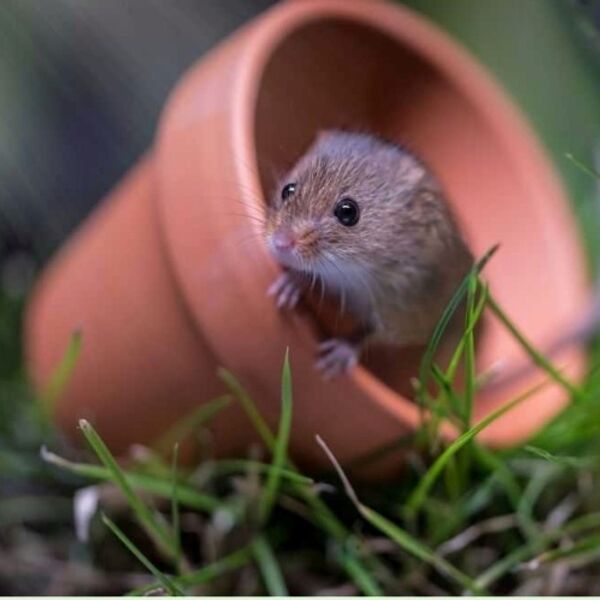
Their expressive faces, delicate paws and constant movement make them endlessly engaging to photograph. Whether they’re balancing on a wheat stem or peeking out from behind grasses, every moment feels unique.
For many photographers, photographing harvest mice becomes a gateway into macro wildlife photography, opening up a whole new appreciation for the smaller creatures that often go unnoticed.
_____________________________________________________
Photographing Harvest Mice at Studio 9
At Studio 9 Photography Workshops, I run dedicated harvest mouse photography sessions where photographers can experience this unique subject for themselves.
These shoots are designed to give photographers:
• Access to carefully designed studio sets
• Professional lighting setups
• Guidance on composition and technique
• The opportunity to photograph these incredible animals up close
It’s always fantastic to see photographers walk away with images they never thought possible.
_____________________________________________________
Final Thoughts
Photographing harvest mice in a studio environment is a unique blend of wildlife photography, macro photography, and creative lighting.
It allows photographers to slow down, refine their craft and connect with one of Britain’s most fascinating small mammals.
And perhaps most importantly, it reminds us that even the tiniest creatures can produce the most powerful images.
_____________________________________________________
Richard Adams
Studio 9 Photography
Osborne Mill, Oldham
There’s something incredibly special about photographing Eurasian Harvest Mice. These tiny mammals are not only one of the smallest rodents in Europe, but they’re also one of the most charismatic subjects a wildlife photographer can work with.
Most people imagine wildlife photography happening out in the field — mud, camouflage, long lenses and hours of waiting. But some of my favourite images of harvest mice are created in a controlled studio environment, where lighting, composition and storytelling can really come together.
Over the years, I’ve developed a studio approach that allows photographers to capture these animals ethically, safely, and creatively while producing images that look natural and authentic.
_____________________________________________________
Why Photograph Harvest Mice in the Studio?
While photographing wildlife in the wild is always rewarding, working with harvest mice in a studio setting offers several advantages.
Firstly, control over lighting allows you to create beautifully sculpted images. Instead of relying on unpredictable natural light, you can shape the scene using soft directional lighting, rim lighting, or even dramatic shadows.
Secondly, it allows for carefully designed natural sets. Grasses, seed heads and natural textures can be arranged to mimic their real environment while still giving photographers clear angles to shoot from.
Finally, a studio environment gives photographers the chance to slow down and focus on composition. You can experiment with macro lenses, depth of field and storytelling without worrying about weather or fading light.
For many photographers, this becomes an ideal introduction to small mammal photography.
_____________________________________________________
Understanding the Behaviour of Harvest Mice
One of the keys to photographing harvest mice successfully is understanding their behaviour.
Harvest mice are incredibly active and curious animals. They naturally climb grasses and stems using their prehensile tail, which helps them balance and grip as they move.
This behaviour is exactly what makes them such engaging photographic subjects.
Rather than trying to pose them, the goal is to create an environment where natural behaviour happens organically. When provided with grasses, seed heads and climbing structures, harvest mice will naturally explore and move around — creating endless photographic opportunities.
Patience is essential, but the results are always worth it.
_____________________________________________________
Building a Natural Studio Set
A good harvest mouse photograph starts long before the camera is picked up.
The studio set plays a huge role in creating believable wildlife imagery. I tend to build small natural scenes using:
• Dried grasses
• Wheat stems
• Natural seed heads
• Moss and textured ground cover
The aim is always to replicate a miniature wild habitat, giving the mouse something natural to interact with while creating interesting shapes and leading lines for the photograph.
Simple is often best. Too many elements can distract from the subject.
_____________________________________________________
Lighting the Scene
Lighting is where the studio environment really shines.
For most harvest mouse setups I use soft directional light to mimic early morning or late evening sunlight. A gentle key light creates detail and texture, while a subtle backlight can help separate the mouse from the background.
Because harvest mice are so small, even tiny adjustments in lighting can completely transform the image.
Soft light helps reveal the beautiful details in their fur, whiskers and tiny paws — details that make these animals so fascinating to photograph.
_____________________________________________________
Camera Settings and Lenses
When photographing harvest mice, macro or short telephoto lenses work best.
A typical setup might include:
• A 90mm–105mm macro lens
• Aperture around f/8 – f/11
• Fast flash duration to freeze movement
Harvest mice move quickly, so having lighting that can freeze motion is incredibly helpful.
Depth of field is also important. Too shallow and you risk losing key details, too deep and the image loses its soft, natural feel.
_____________________________________________________
Ethics and Animal Welfare
Whenever animals are involved in photography, welfare must come first.
Responsible sessions ensure the mice are comfortable, handled by experienced keepers, and never stressed or forced into unnatural situations. The goal is always to observe natural behaviour, not manipulate it.
By keeping sessions calm and carefully managed, photographers can capture beautiful images while ensuring the animals remain safe and relaxed.
This approach is something I take extremely seriously in every session I run.
_____________________________________________________
Why These Tiny Animals Make Incredible Subjects
Despite their size, harvest mice have huge photographic character.
Their expressive faces, delicate paws and constant movement make them endlessly engaging to photograph. Whether they’re balancing on a wheat stem or peeking out from behind grasses, every moment feels unique.
For many photographers, photographing harvest mice becomes a gateway into macro wildlife photography, opening up a whole new appreciation for the smaller creatures that often go unnoticed.
_____________________________________________________
Photographing Harvest Mice at Studio 9
At Studio 9 Photography Workshops, I run dedicated harvest mouse photography sessions where photographers can experience this unique subject for themselves.
These shoots are designed to give photographers:
• Access to carefully designed studio sets
• Professional lighting setups
• Guidance on composition and technique
• The opportunity to photograph these incredible animals up close
It’s always fantastic to see photographers walk away with images they never thought possible.
_____________________________________________________
Final Thoughts
Photographing harvest mice in a studio environment is a unique blend of wildlife photography, macro photography, and creative lighting.
It allows photographers to slow down, refine their craft and connect with one of Britain’s most fascinating small mammals.
And perhaps most importantly, it reminds us that even the tiniest creatures can produce the most powerful images.
_____________________________________________________
Richard Adams
Studio 9 Photography
Osborne Mill, Oldham